From Meteora and Theopetra to Aspropotamos, Pyli and Paleokarya, a comprehensive development strategy seeks to forge links between geology, nature, culture, gastronomy and local entrepreneurship. The area extends far beyond Meteora. Covering 2,410 km², it encompasses the geographical boundaries of the Municipalities of Meteora and Pyli and is home to a remarkable mosaic of geological, natural and cultural treasures.
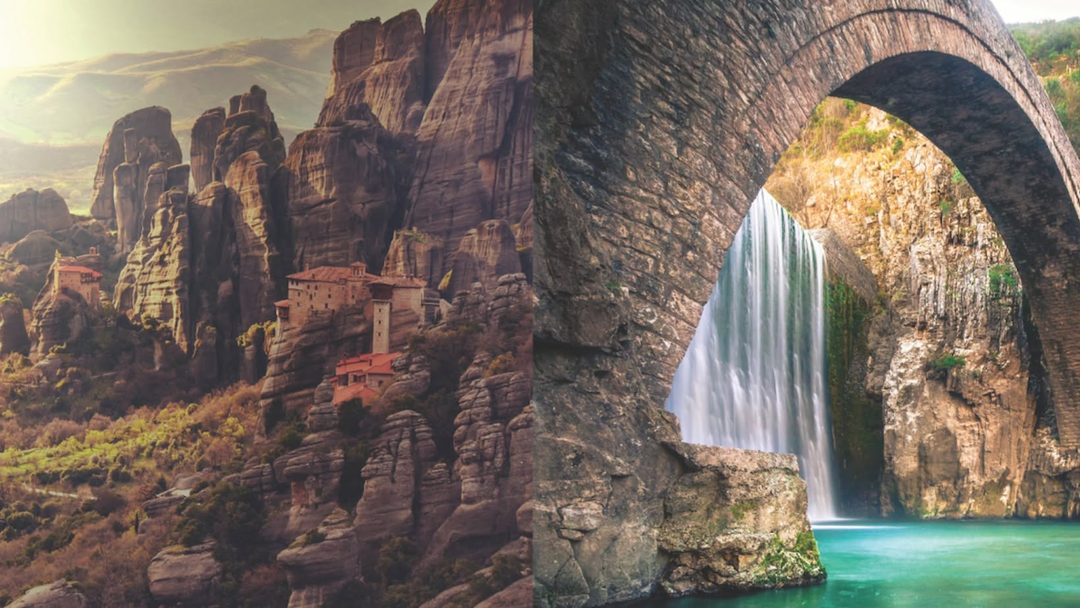
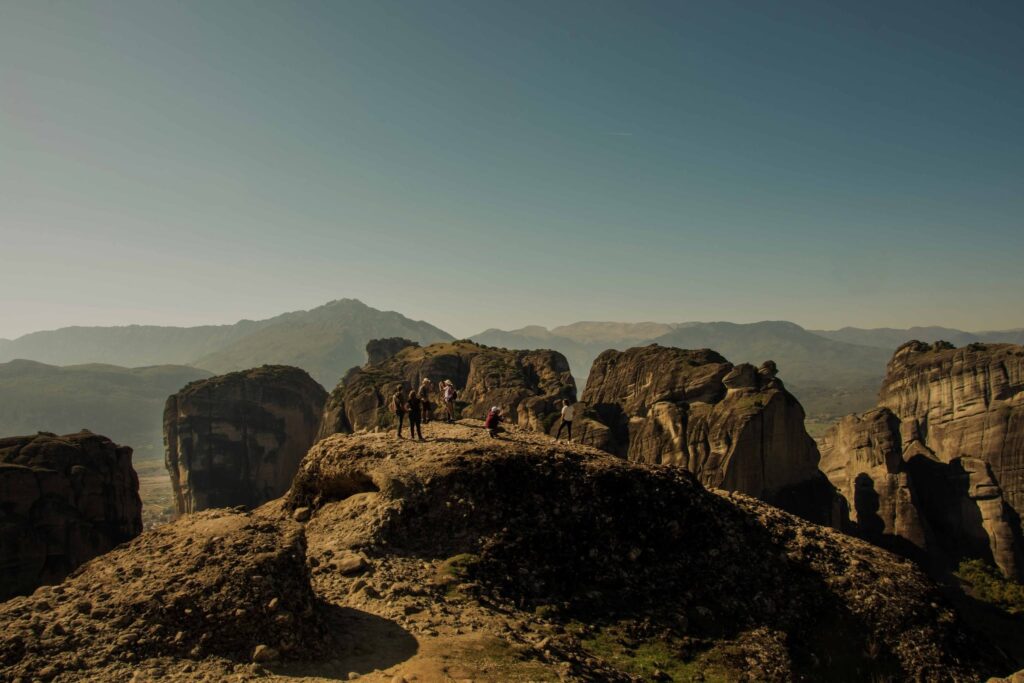
The Meteora–Pyli UNESCO Global Geopark features 21 remarkable geological formations, six caves, seven religious monuments and 32 trails. Its territory also contains important historical and archaeological sites, rich flora and fauna, elements of intangible cultural heritage, and a distinctive local gastronomic identity.
Meteora is already inscribed on the UNESCO World Heritage List, giving the region international recognition on which local stakeholders now intend to build a broader, more integrated tourism and economic offering. The main challenge is to transform this exceptional heritage into a genuine driver of economic development, moving beyond simple promotion to establish tangible connections with the real economy, businesses, producers and local communities.
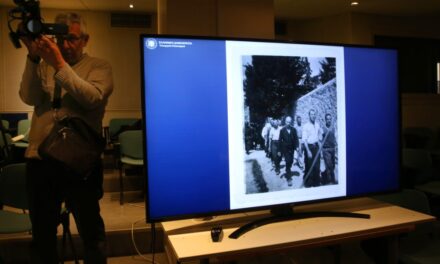
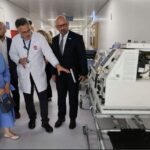
This was precisely the objective of the meeting entitled “Developing Geotourism and Local Partnerships,” held on Tuesday, 29 September 2026, in Kalambaka on the occasion of World Tourism Day. The event was organized by the Meteora–Pyli Geopark in collaboration with the Municipalities of Meteora and Pyli.
21 Geological Formations, from Meteora to Aspropotamos
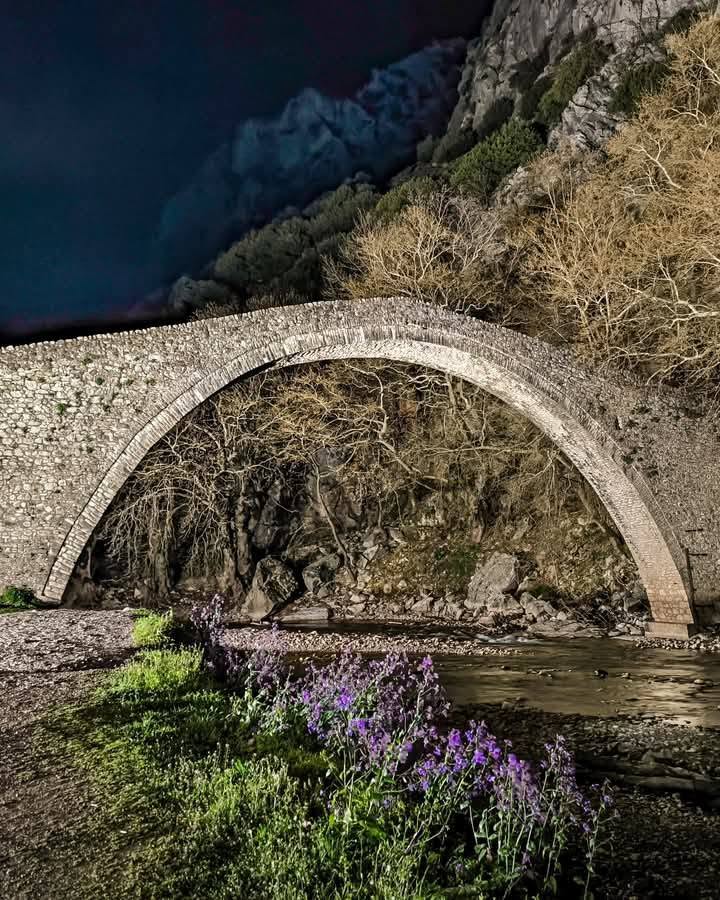
At the heart of the Geopark are 21 geological formations recognized by UNESCO as part of the world’s geological heritage. The list includes Meteora, the Adrachti rock formation, the geological formations of Gavros, the Athamania Gorge, the Tzourtzia waterfalls, known as the “Demon’s Mill” (Μαντάνι του Δαίμονα in Greek), the Aspropotamos springs and the alpine Lake Verliga, the Gropa Gorge, and the Koziakas tectonic overthrust.
The list also includes the twin waterfalls of Paleokarya, Bei Cave, the Portaikos Valley and its folds, the Malakasiotis Valley, the tafoni and geological formations of Agios Dimitrios, the Voliotis sinkhole, the ophiolites of Panagia, the Katara site, the “Trypio Lithari” rock arch, the oceanic sediments of Malakasi, Theopetra Cave and the spectacular tafoni formations of Kalambaka.
Together, these sites form a genuine open-air geological museum, where diverse landscapes and fascinating geological histories create a continuous journey across the region.
From Geology to Culture and Gastronomy
The concept of a geopark extends far beyond the protection and promotion of geological formations. In keeping with the philosophy of UNESCO Global Geoparks, geological heritage is closely connected with the natural environment, history, archaeology, culture, education and sustainable development.
In the case of the Meteora–Pyli Geopark, these different dimensions coexist across a territory with a population of 32,126, six caves, seven religious monuments and 32 trails.
Visitors who come to discover Meteora can therefore be encouraged to explore much more than this iconic landmark: visit Theopetra, discover geological sites, follow hiking trails, explore villages, learn about the region’s history and culture, sample local products and enjoy authentic gastronomic experiences.
The aim is to create a network of complementary experiences linking all these assets, offering visitors a more comprehensive discovery of the region while contributing to its sustainable development.
The Main Challenge: Boosting the Local Economy
During the meeting in Kalambaka, discussions focused precisely on this dimension: how to turn the Geopark into a genuine driver of growth for the people and businesses that sustain the region on a daily basis.
Tourism professionals and entrepreneurs shared their experiences, market needs, development prospects and the challenges facing their sector.
The objective is clearly defined: connect a geological site to a hiking route, the route to a village, the village to a local producer, the regional product to a gastronomic experience, and bring all these elements together in a coherent and comprehensive tourism offering.
The Geopark can thus play a unifying role, bringing tourism, culture, local production and entrepreneurship together under a common identity.
Nikos Pitsioulis, the Geopark’s special adviser, highlighted the importance of partnerships in moving beyond the simple promotion of natural and geological assets towards the creation of integrated tourism experiences.
Meanwhile, Grigoris Papacharalampous, Director General of the development organisation THESSALOMA and representative of the Geopark’s management, presented the available tools and opportunities for establishing tangible links between businesses, local products and visitors.
The Region of Thessaly and the Financial Dimension
Funding also plays an important role in this initiative. According to the information presented, the Region of Thessaly has secured €12 million under the Integrated Territorial Investment (ITI) scheme for the Meteora–Pyli Geopark, providing a substantial financial foundation for implementing projects and initiatives across the territory.
This funding supports the efforts of the two municipalities and provides an additional, crucial element: the opportunity to translate cooperation into concrete interventions and strategic projects.
At the same time, cooperation between the Municipalities of Meteora and Pyli and the Region of Thessaly is particularly important. The Geopark’s development cannot be the responsibility of a single organisation; it must form part of a collective territorial development strategy involving all relevant stakeholders.
“The Geopark Can Become a Shared Framework for Development”
In an interview with the Athens-Macedonian News Agency (AMNA), Lefteris Avramopoulos, Mayor of the Municipality of Meteora, emphasised the importance of connecting the region’s assets and strengthening cooperation between the two municipalities and the Region of Thessaly.
“The major challenge is to connect all the region’s assets so that visitors to Meteora also have reasons to discover the geological sites, villages, museums, routes, local producers and regional gastronomy.
“The Meteora–Pyli Geopark can serve as a unifying framework, bringing together the natural environment, geological heritage, culture, the local economy and tourism.
“In this major undertaking, we benefit from significant support from the Region of Thessaly. The Regional Governor, Dimitris Kouretas, has secured €12 million for the Integrated Territorial Investment of the Meteora–Pyli Geopark, giving considerable momentum to the joint efforts of the two municipalities.
“This funding provides a solid foundation on which we can design and implement initiatives to raise awareness of the Geopark and strengthen its links with the local economy and entrepreneurship.
“At the same time, we maintain an excellent working relationship with the Municipality of Pyli and its mayor, Kostas Maravas. Our two municipalities share a common vision of how this tremendous opportunity should be harnessed.
“We are working in a coordinated manner with the Region of Thessaly to ensure that the Geopark becomes a genuine engine of development for the entire area.”
From International Recognition to Local Value Creation
As highlighted during the meeting, the UNESCO Global Geoparks Network comprised 213 geoparks across 48 countries in 2024. Their mission extends beyond protecting geological formations. It also encompasses education, environmental conservation, sustainable development and, above all, strengthening the links between geological heritage and local communities.
This is precisely the major challenge facing the Meteora–Pyli Geopark.
The aim is not to make it merely another international recognition label, but to establish a shared platform that connects Meteora with the villages, geological sites with trails, nature with culture, local production with gastronomy, and visitors with the people who live in the region.
With €12 million in funding, cooperation between the two municipalities and the Region of Thessaly, and the active participation of tourism professionals and local businesses, the next step is to transform the immense natural and cultural wealth of this 2,410 km² territory into tourism experiences, visits, stays, partnerships and tangible economic benefits for the region.
Source (Text): Athens-Macedonian News Agency (AMNA)
Source (Photos): Meteora–Pyli Geopark Facebook page.