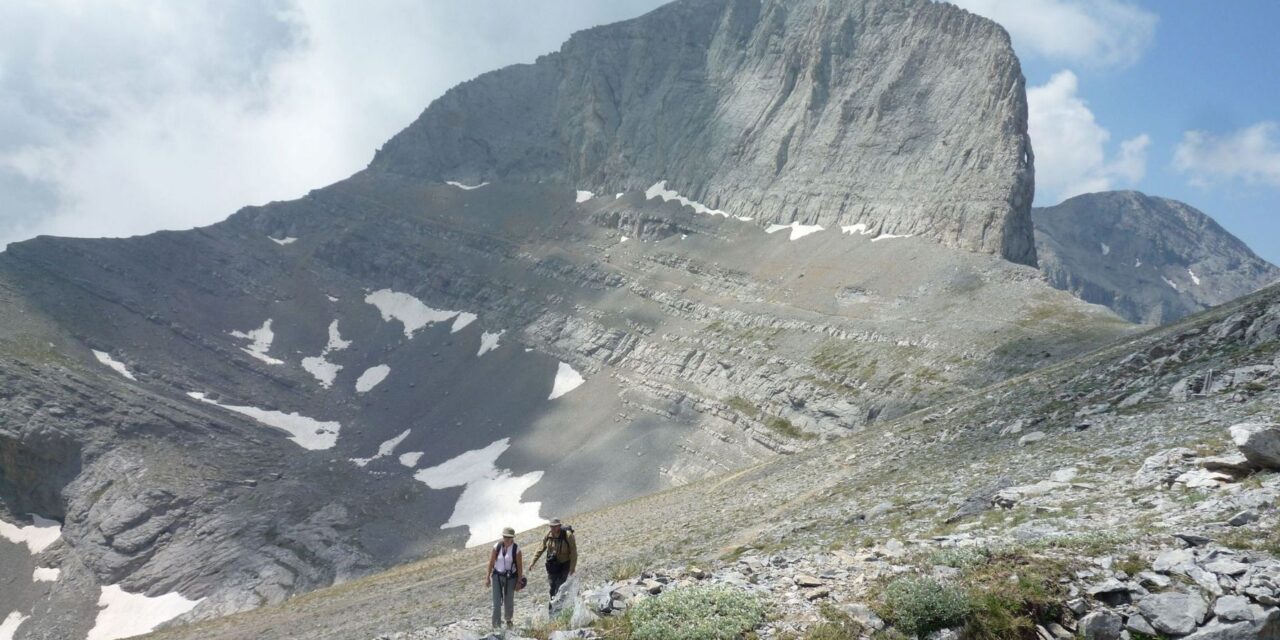
The inscription of “The Greater Olympus Area” on the UNESCO World Heritage List as a Mixed Property was unanimously approved during the 48th session of the UNESCO World Heritage Committee. The Ministry of Culture and the Ministry of Environment and Energy expressed their joy, pride, and great satisfaction. The decision was adopted during the Committee’s 48th session, held in Busan, South Korea, from 19 July. (cover photo: Stefani Summit, Mount Olympus, https://www.culture.gov.gr/)
The inclusion of the mythical mountain on the World Heritage List is one of the highest international distinctions in the field of cultural and natural heritage conservation. It recognizes the Outstanding Universal Value of Olympus, placing it among the world’s most iconic heritage sites that merit special protection and stewardship for the benefit of humanity.
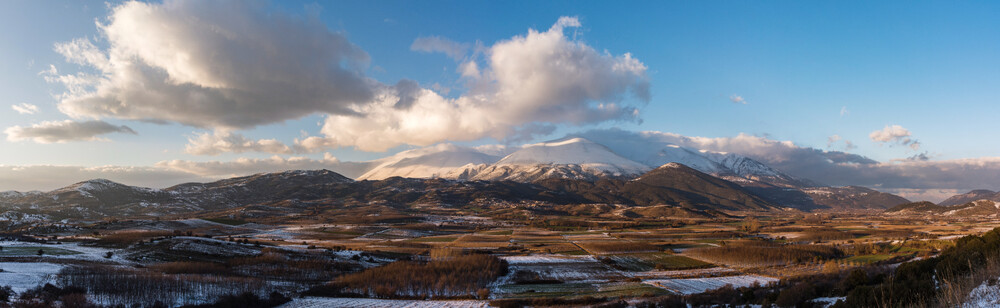
Climbing road to Olympus from the west side (photo: https://whc.unesco.org/en/list/1719/gallery/ )
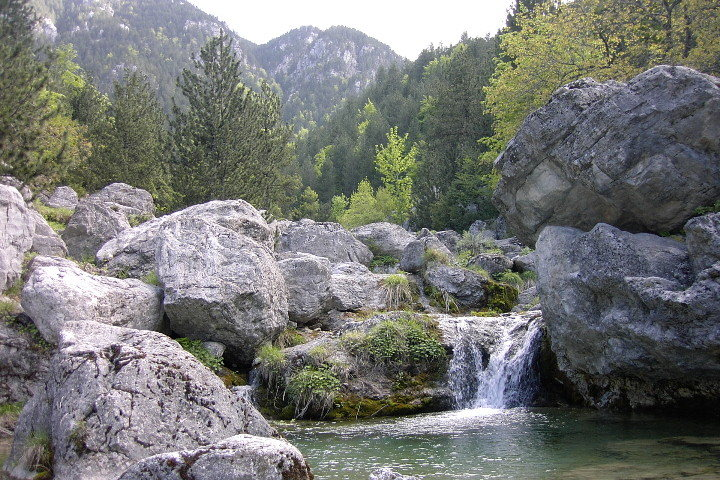
View of the Enipeas Gorge
Approximately 50,000 visitors climb Mount Olympus each year. For local authorities and stakeholders, its inscription on the UNESCO World Heritage List represents both an opportunity and a challenge, as it is expected to strengthen protection against the growing pressures of tourism development and climate change. Under the UNESCO World Heritage Convention, properties inscribed on the World Heritage List benefit from an internationally recognized framework for protection and conservation.
The “abode of the immortals,” as Homer described it, was designated Greece’s first national park in 1938 in recognition of its unique natural landscape. In 1981, UNESCO designated Olympus as a Biosphere Reserve, and in 2021 it was declared a National Park by presidential decree.
“The United Nations Educational, Scientific and Cultural Organization (UNESCO) has unanimously decided, during its meeting in South Korea, to inscribe Mount Olympus on the prestigious World Heritage List, confirming its status as one of the world’s most significant sites of cultural and natural heritage,” said President of the Hellenic Republic Konstantinos Tasoulas in a statement.
“From today, the mythical Mount Olympus becomes a mountain belonging to all humanity—one that must be protected forever. UNESCO’s unanimous decision to inscribe it on the World Heritage List is a landmark national achievement,” Prime Minister Kyriakos Mitsotakis said in a social media post.
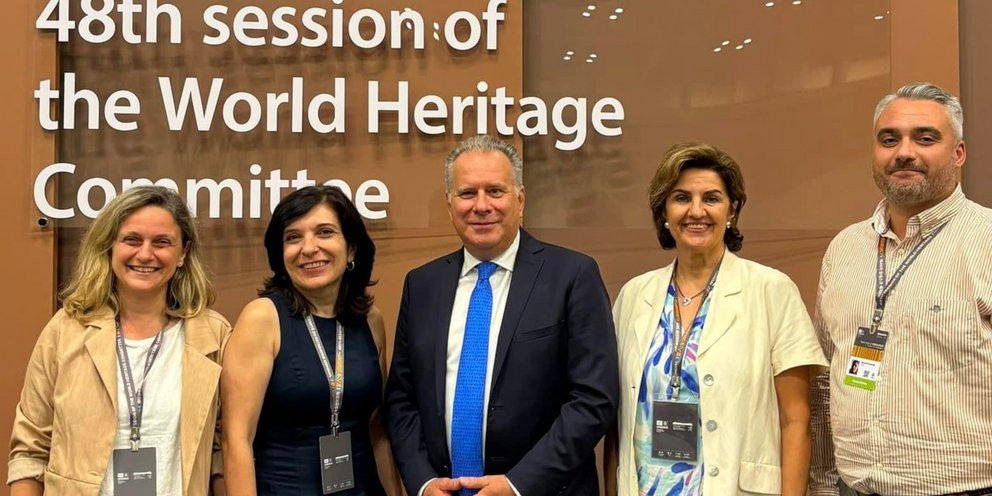
Calling it a historic decision taken in Busan, South Korea, Giorgos Koumoutsakos, Greece’s Permanent Representative to UNESCO and head of the Greek delegation, also welcomed the inscription in a post on social media. “The unanimous global recognition of Mount Olympus as a cultural and natural property of Outstanding Universal Value is a historic achievement. The hard work, coordination, and close cooperation between the Ministry of Foreign Affairs, the Ministry of Culture, the Ministry of Environment and Energy, and the Natural Environment and Climate Change Agency made this landmark decision possible,” said Giorgos Koumoutsakos, among other remarks.
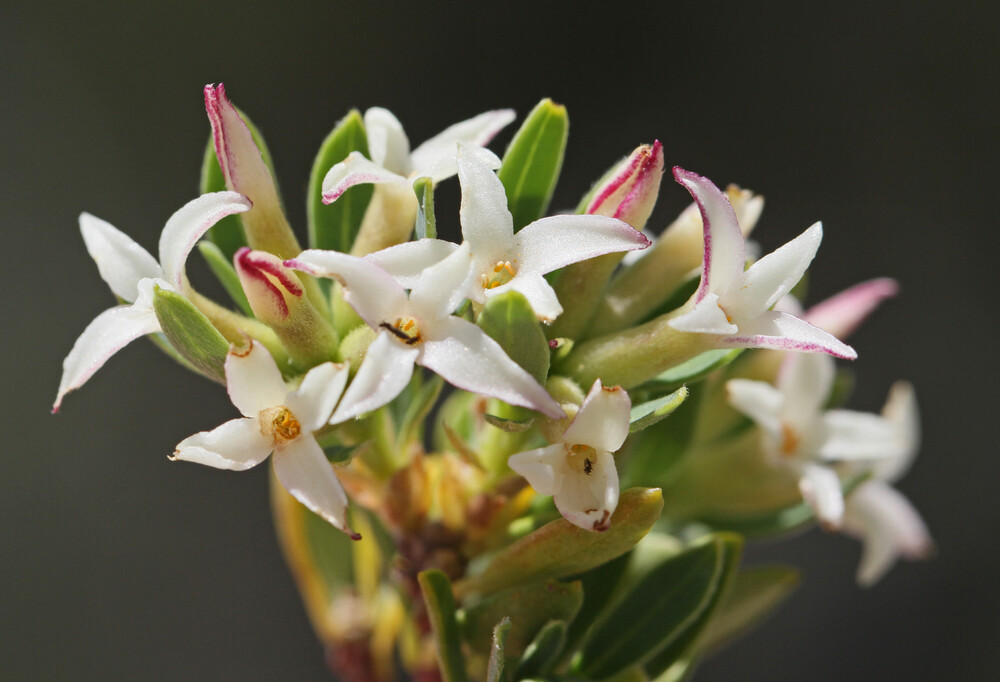
Daphne oleoides (photo: https://whc.unesco.org/en/list/1719/gallery/ )
At the same time, Olympus is home to a rich and diverse ecosystem, rare species of flora and fauna, and important archaeological and historical monuments that reflect the region’s long cultural heritage. It is also one of Greece’s premier tourist destinations and one of the country’s most recognizable symbols, embodying the enduring legacy of Greek mythology and inspiring people around the world.
Minister of Culture Lina Mendoni stated: “The inscription of Mount Olympus on the UNESCO World Heritage List confirms Greece’s enduring commitment to the protection, promotion, and sustainable management of its cultural and natural heritage, in accordance with the principles of the World Heritage Convention. At the same time, it enhances the international profile of a place that has long been a timeless symbol of Greek civilization, nature, and our shared world heritage, underscoring the international community’s collective responsibility to safeguard it for the benefit of present and future generations. This inscription uniquely encapsulates the inseparable bond between our cultural and natural heritage. Through the Homeric epics and the works of ancient Greek literature, Mount Olympus carried Greek mythology and Greek culture to every corner of the world. It remains the eternal home of the Olympian Gods and a landscape of extraordinary richness and dramatic beauty, inspiring awe and reverence while continuing to stimulate thought, the arts, the sciences, and cultural creativity across the globe. In Homer’s epics, Olympus is described as polyptychos (‘many-peaked’), makros (‘towering’ or ‘lofty’), niphoeis (‘snow-clad’), and polydeiras (‘deeply ravined’). These Homeric epithets became the starting point of an enduring tradition of inspiration. The image of Olympus, shaped by Homer’s poetic genius nearly three millennia ago, remains unchanged to this day, inspiring the same sense of admiration and reverence in modern visitors.”
Minister of Environment and Energy Stavros Papastavrou stated: “Greece’s natural environment is a living and inseparable part of our identity, history, and culture. Its protection and enhancement lie at the heart of our government’s policy. Mount Olympus, designated Greece’s first National Park in 1938, is a sanctuary for rare birds of prey and is home to 28% of the country’s plant taxa—more than 1,900 species, including 27 that are endemic to Olympus and found nowhere else in the world—as well as significant wildlife populations. From Mount Olympus—a global symbol linking the ancient myth of Greece’s highest mountain as the abode of the gods with our country’s environmental future—to the Untrodden Mountains initiative and the new National Marine Parks announced by Prime Minister Kyriakos Mitsotakis and now being implemented, we are demonstrating in practice that the protection of nature and biodiversity remains a steadfast national priority. Through the establishment and strengthening of the Natural Environment and Climate Change Agency (NECCA), we have laid the foundations for a modern, integrated system for managing Greece’s protected areas. Thanks to the close cooperation between the Ministry of Environment and Energy, the Ministry of Culture, and NECCA, a comprehensive nomination dossier was prepared for Mount Olympus’ inscription on the UNESCO World Heritage List, successfully bringing to fruition an effort that began in 2014.”
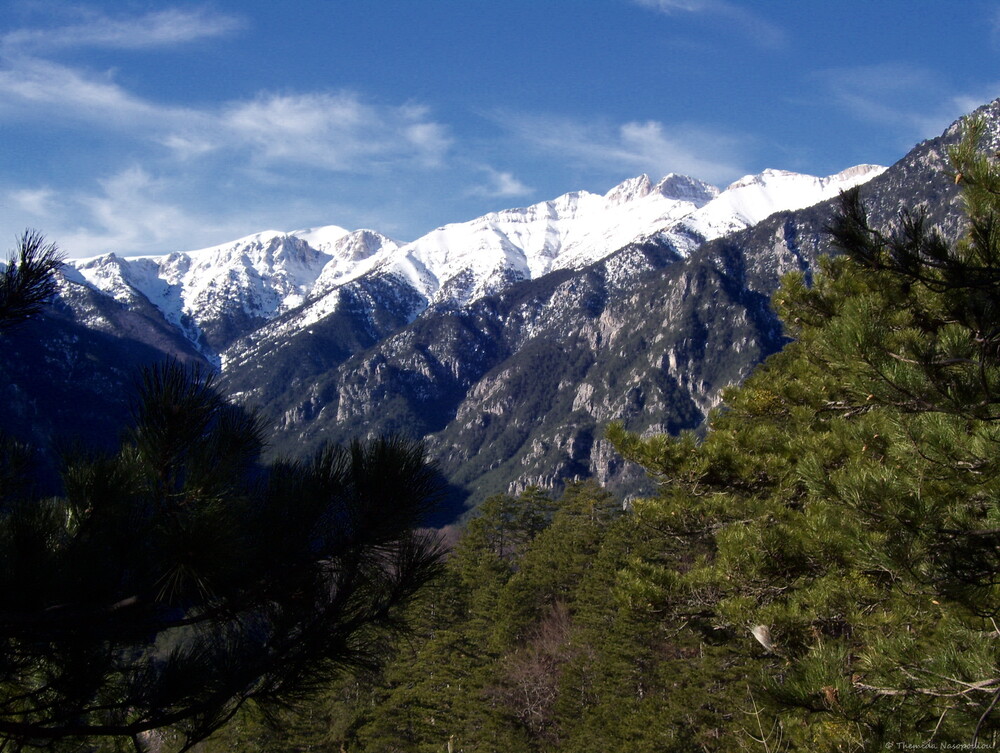
Mount Olympus (photo: https://whc.unesco.org/en/list/1719/gallery/ )
The successful completion of Mount Olympus’ nomination for inscription on the UNESCO World Heritage List as a Mixed Property is the result of close and fruitful cooperation between the Ministry of Culture and the Ministry of Environment and Energy in safeguarding and promoting Greece’s cultural and natural heritage. The nomination dossier was prepared by the Natural Environment and Climate Change Agency (NECCA), supervised by the Ministry of Environment and Energy, in cooperation with the Directorate of Prehistoric and Classical Antiquities of the Ministry of Culture, drawing on the expertise of both institutions in the fields of natural and cultural heritage. The successful outcome of the nomination highlights the value of cross-sectoral cooperation. Combined with the contribution of the competent authorities and their specialized expertise, the scientific community, local government, relevant stakeholders, and other interested parties, this cooperation led to the preparation of a highly complex dossier that successfully met the rigorous requirements of the World Heritage Convention.
This inscription is of particular significance, as Mount Olympus has been inscribed on the List as a Mixed Property, one of the most demanding categories under the UNESCO World Heritage Convention. Inclusion in this category requires comprehensive documentation demonstrating both the site’s cultural and natural values. Mixed Properties represent a relatively small proportion of all inscriptions on the World Heritage List. Mount Olympus was also the only mixed-property nomination submitted for consideration during the current session of the Committee. Together with the previously inscribed sites of Meteora and Mount Athos, Greece now has three Mixed Properties on the World Heritage List. With a total of 21 World Heritage inscriptions, this achievement is of particular importance for the country, further strengthening Greece’s international presence within the framework of the Convention.
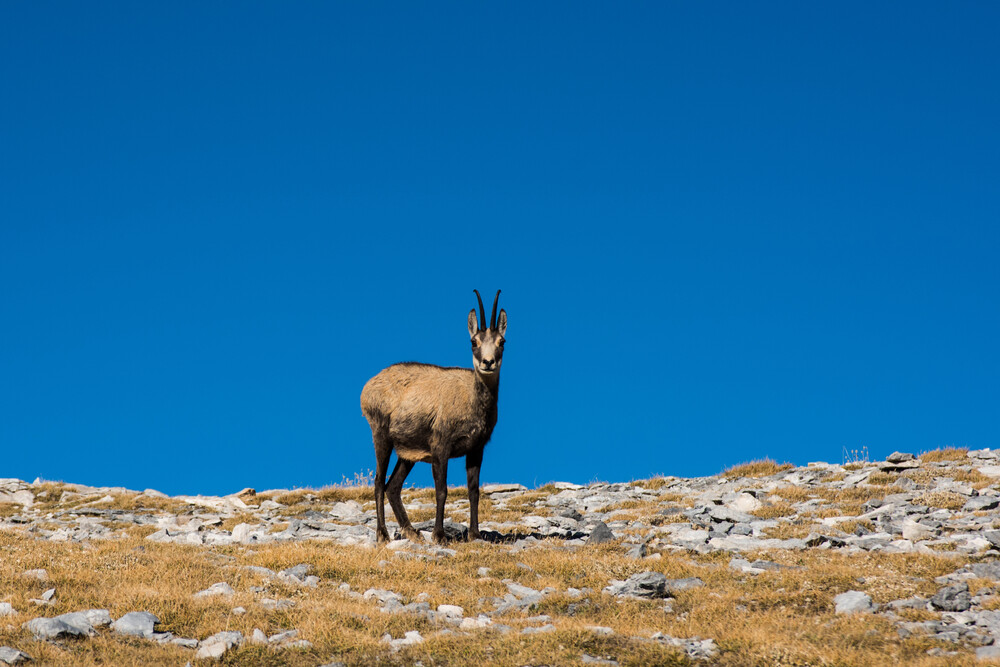
Balkan chamois (Rupicapra rupicapra balcanica) on Mount Olympus (photo: https://whc.unesco.org/en/list/1719/gallery/ )
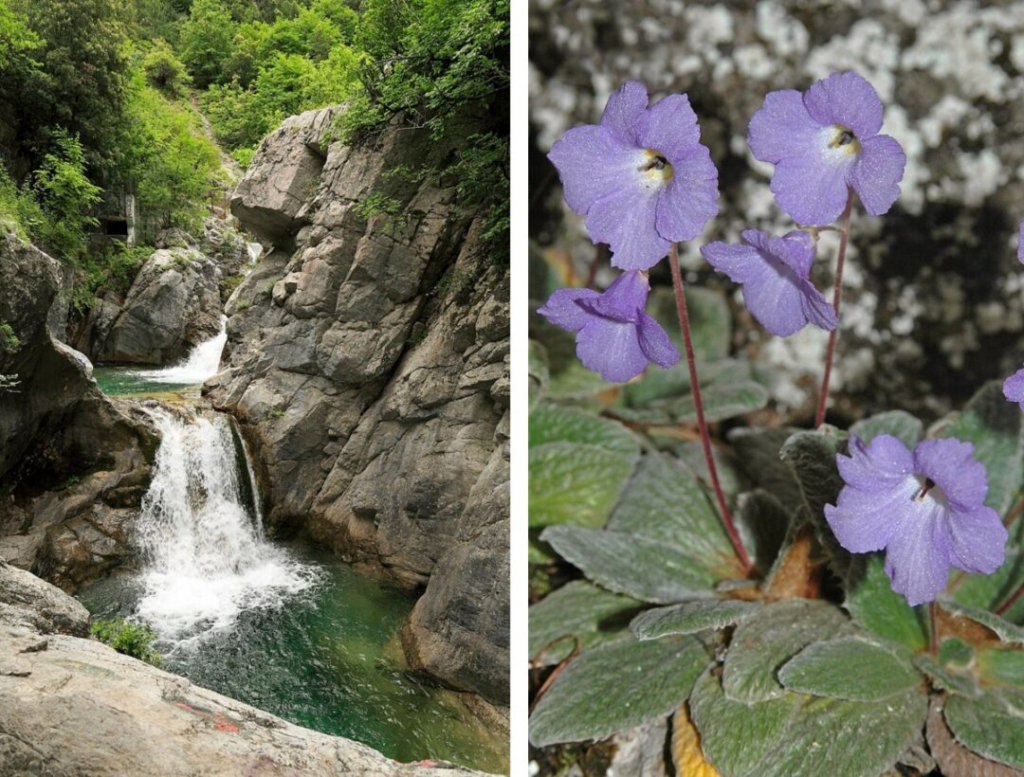
Waterfall at the Enipeas Gorge (left), Ramonda (Jankaea) heldreichii at the Enipeas Gorge (right)
At the same time, this inscription recognizes the exceptional natural value of Mount Olympus as a site of outstanding importance for biodiversity. Rising to an altitude of 2,918 metres, and owing to its proximity to the Aegean coast, its extensive altitudinal range, rugged terrain, topographical isolation, and historical role as a glacial refuge, Olympus supports 1,983 taxa, representing more than 25% of Greece’s flora. This remarkable botanical richness, combined with the exceptionally high concentration of narrowly endemic species—species found nowhere else in the world but on Olympus—endows the mountain with global significance, making it a true “ark of biodiversity.” At the same time, Olympus hosts a rich fauna, including numerous species of birds and mammals, as well as the brown bear and the largest Greek subpopulation of the wild goat, along with reptiles, amphibians, and invertebrates.
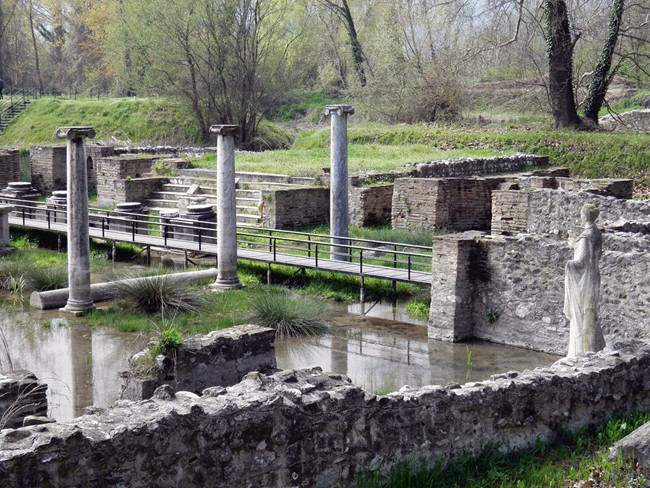
Sanctuary of Isis at the Archaeological Park of Dion. Dion stands in the northern foothills of Mount Olympus, and exercises complete control over the narrow defile leading from Macedonia to Thessaly
Mount Olympus, Greece’s highest mountain and a timeless symbol of Greek civilization and world cultural heritage, as the mythical home of the Twelve Olympian Gods, occupies a central place in the worldview of the ancient Greeks. Its influence, conveyed through the Homeric epics, Hesiod’s Theogony, and later literary traditions, extended far beyond the boundaries of the ancient world. Today, Olympus continues to inspire literature, the arts, philosophy, the sciences, and contemporary global cultural expression. The archaeological site of Dion (photo above), located at the foot of the mountain, represents the most significant material expression of the worship of the Olympian Gods, organically complementing this exceptional cultural and natural landscape.
Read also:
Olympus: The mountain of the gods
TAGS: CULTURE | ENVIRONMENT | TOURISM | UNESCO