The “Georgios N. Papanikolaou” Museum was officially inaugurated in Kymi, Evia, on Friday, September 11, by the President of the Hellenic Republic, Constantine An. Tassoulas, honoring the life, work, and enduring scientific legacy of the distinguished Greek physician and researcher Georgios N. Papanikolaou (1883–1962).
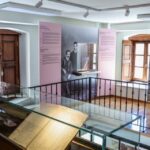
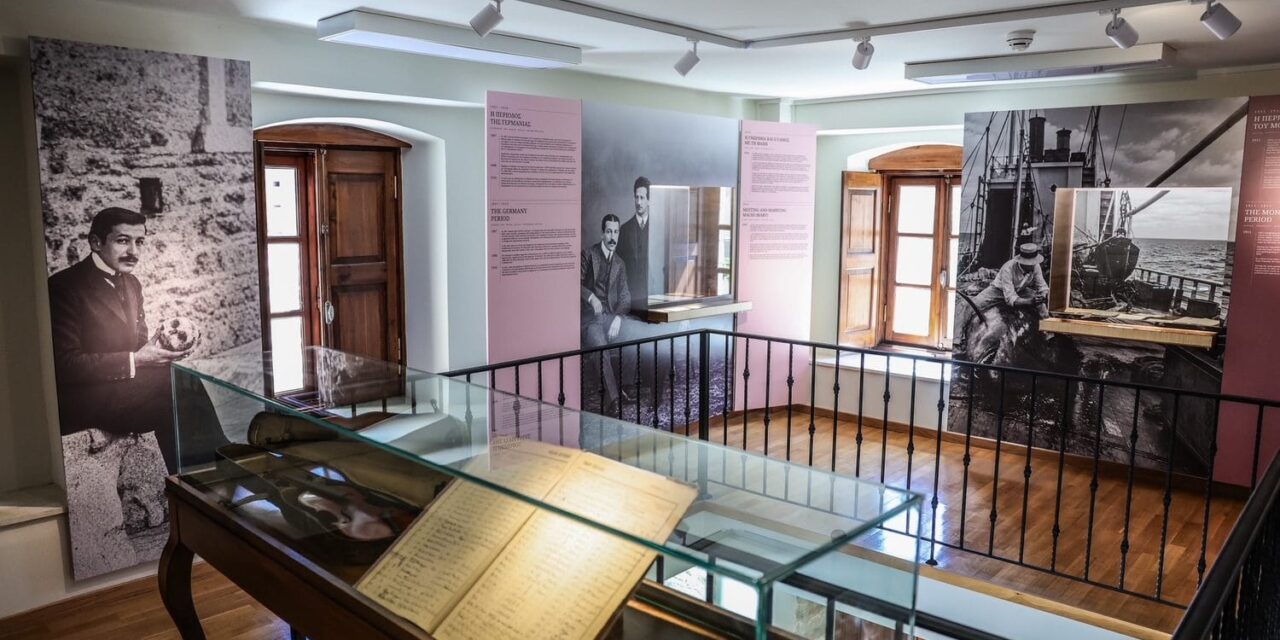
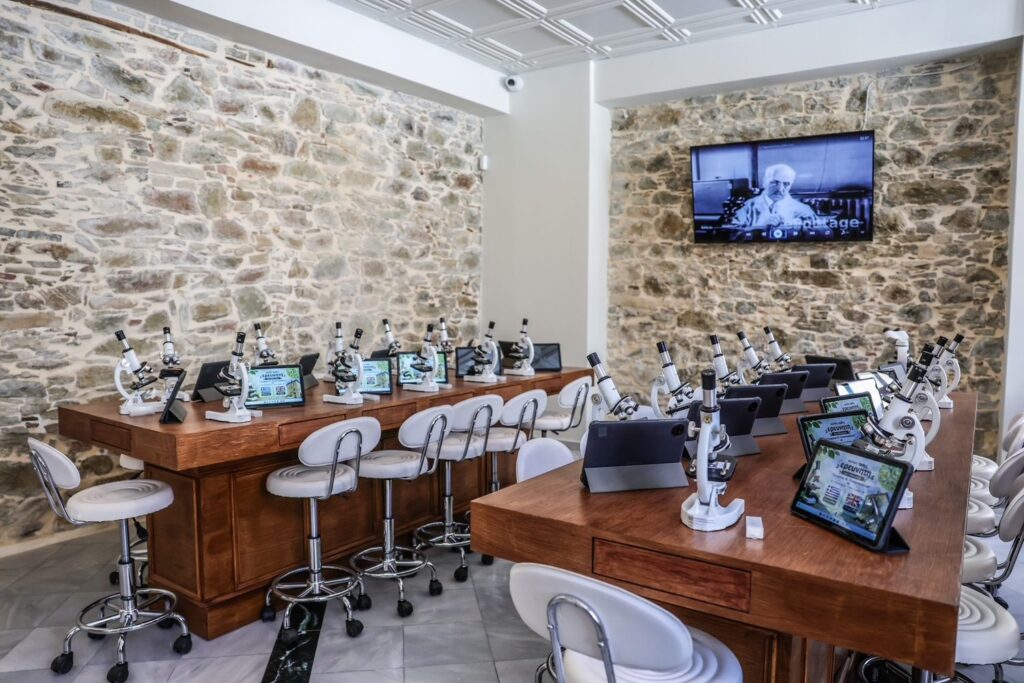
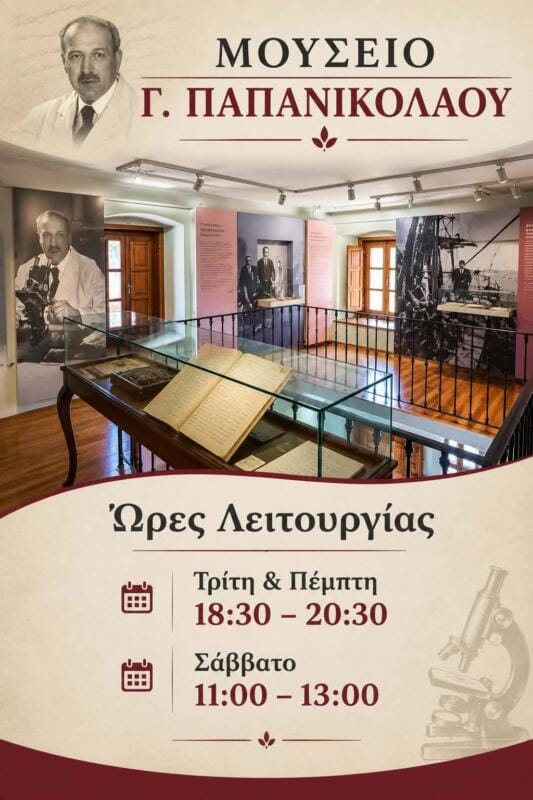
The museum has been established by the Municipality of Kymi-Aliveri, which undertook the restoration of the historic Papanikolaou family home, together with the collection and curation of the exhibition material. The museum brings together rare archival material, personal belongings, and historical documents illuminating Papanikolaou’s life and international scientific career. A dedicated microscopy room provides visitors with an interactive and educational introduction to the world of microscopy and scientific research.
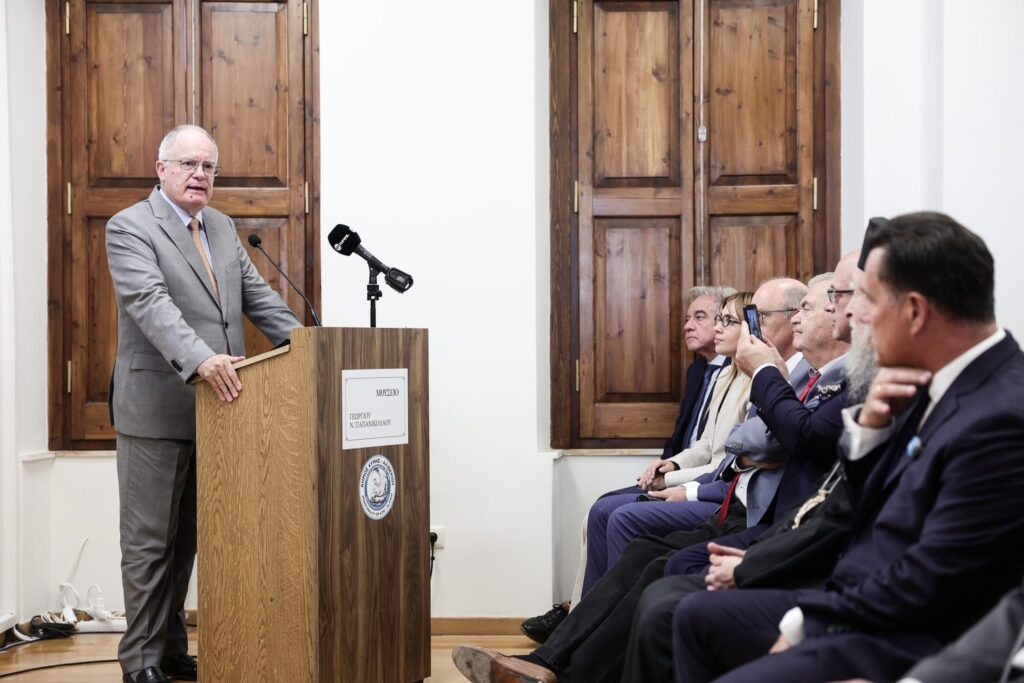
Speaking at the inauguration, President Tassoulas recalled Papanikolaou’s return to Kymi in 1957, after 44 years away from his birthplace. “In the autumn of 1957, by then internationally acclaimed, Georgios Papanikolaou returned to this place after forty-four years away. He returned to his homeland, to the place where he was born and shaped. To the ‘warm family home’, as he himself called it”.
“Today, in this very same house, the doors of the first museum in the world dedicated exclusively to his memory and work are opening,” President Tassoulas noted, the global significance of Papanikolaou’s scientific contribution, particularly the diagnostic method that bears his name.
“Few people in history can claim to have given millions of their fellow human beings the most precious gift of all: life. Papanikolaou did so,” President Tassoulas stated. “The method that bears his name, the Pap test, revolutionized the early detection of cancer. It saved and continues to save the lives of countless women in every corner of the world.” He also remarked that the significance of Papanikolaou’s discovery lay not in its complexity, but in “the insight of a mind that never ceased to explore.”
President Tassoulas congratulated the Municipality of Kymi-Aliveri, the Georgios N. Papanikolaou Institute and all those involved in realizing the vision for the museum. “Their efforts are an example of what a local community can achieve when it believes in and embraces its history,” he stated, concluding that “this place will inspire visitors from around the world through the example of a man who devoted his life to science and to humanity.”
The Georgios N. Papanikolaou Museum Opens Its Doors to the Public
Following its official inauguration, the Georgios N. Papanikolaou Museum, is now welcoming visitors, opening the doors of the scientist’s historic family home to the public for the first time as a permanent museum dedicated to his life, pioneering work, and enduring legacy.
The museum celebrates the remarkable contribution of Georgios N. Papanikolaou, the Greek-born scientist whose pioneering research transformed preventive medicine worldwide. His development of the Pap test revolutionized the early detection of cervical cancer and became one of the most significant advances in modern public health, contributing to the prevention of disease and saving countless lives across the world.
Housed in Papanikolaou’s historic family residence, the museum combines the character and authenticity of a place deeply connected to his early life with a contemporary, technologically advanced and fully accessible visitor experience. Through its exhibits and digital technologies, it brings his scientific journey, achievements and legacy to new generations, while highlighting the broader human significance of his work.
The opening of the Georgios N. Papanikolaou Museum marks an important new chapter for Kymi and Evia, placing the region on the international map of destinations where science, history, culture and human achievement intersect.
More than a tribute to an exceptional scientist, the museum offers a space in which Papanikolaou’s legacy can continue to inspire future generations celebrating the enduring values of scientific excellence, research, innovation and service to humanity.
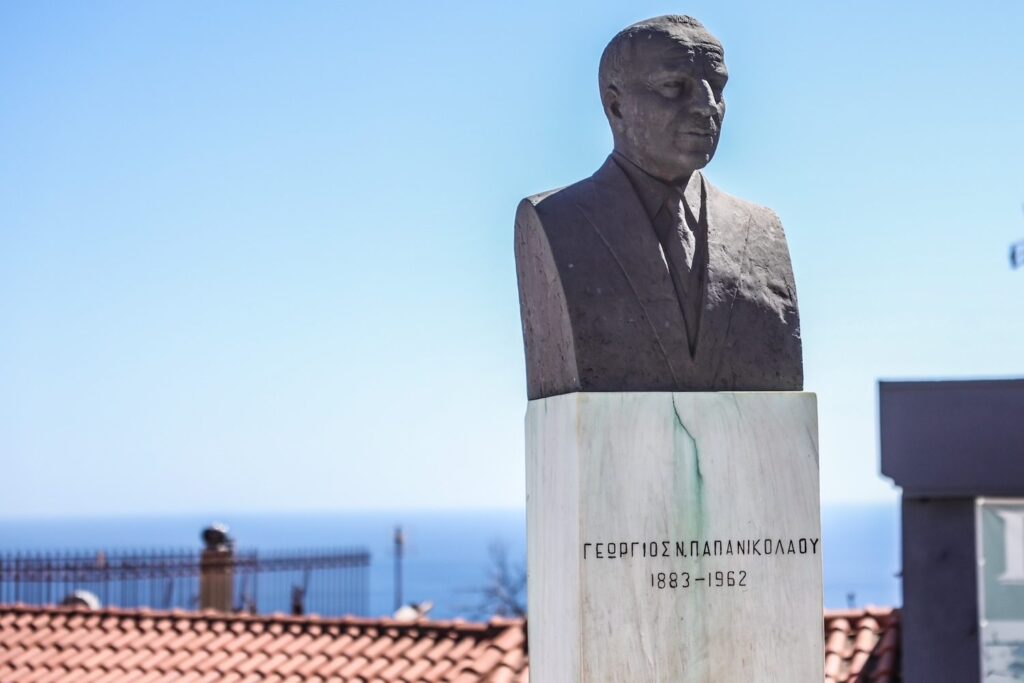
Georgios N. Papanikolaou: A Life Dedicated to Medical Science
Georgios N. Papanikolaou was born in Kymi, Evia, in 1883 and died in Miami, Florida, in 1962. From an early age, he demonstrated an exceptional intellectual curiosity and a strong inclination toward scientific research. After completing his secondary education, he enrolled in the Medical School of the University of Athens in 1898 and received his medical degree in 1904, at the age of 21. Recognizing his son’s abilities and deep interest in scientific inquiry, his father used his savings to send him to Germany in 1907 to pursue further studies.
Papanikolaou soon chose to pursue biology, a discipline more closely aligned with his scientific interests. He initially studied in Jena, where he attended lectures by the renowned biologist Ernst Haeckel, whose work he had admired since his student years. In 1908, he continued his studies in Freiburg before moving to Munich, where he received a Doctor of Philosophy degree in 1910.
After returning to Greece that same year, Papanikolaou found that circumstances were unfavorable to his scientific ambitions. Shortly after marrying Andromache Mavrogeni, he decided to leave the country once again. His scientific career then took him to the Oceanographic Institute of Monaco, where, in 1911, he participated in a research expedition aboard L’Hirondelle, the oceanographic vessel associated with Prince Albert I of Monaco.
His time abroad was interrupted by the Balkan Wars, in which he participated in 1912. Following the war, Papanikolaou and his wife moved to the United States. The couple initially faced considerable financial difficulties and, for a time, worked in a department store. His circumstances changed when he was appointed an assistant in the pathology department of New York Hospital, following the intervention of the prominent geneticist T. H. Morgan of Columbia University.
Papanikolaou’s scientific abilities and dedication to research soon became evident. In 1914, he joined Cornell University Medical College, where he would remain for nearly half a century, until 1961. He progressed through the academic ranks while devoting himself primarily to scientific research.
The 1920s marked one of the most productive and demanding periods of his scientific career. During this decade, Papanikolaou conducted pioneering clinical and laboratory research into the diagnostic value of examining vaginal cells under the microscope. His investigations ultimately led to the development of a cytological method that became internationally known as the “Pap smear” or “Pap test.”
The technique transformed cervical cancer screening by making it possible to detect cellular abnormalities at an early stage, before they progressed to invasive disease. In doing so, Papanikolaou helped establish cytology as an important tool in preventive medicine and contributed to a fundamental change in the early detection and management of cervical cancer.
After nearly half a century at Cornell University Medical College, Papanikolaou left New York at the age of 78 and moved to Miami. There, he undertook the task of organizing and directing a newly established cancer institute. He died in 1962, before the institute was officially inaugurated. Following his death, his friend and oncologist Charles Cameron oversaw its opening.
Papanikolaou’s scientific legacy includes 158 published articles and five books, reflecting a lifetime devoted to medical research and the advancement of human health. His work not only transformed the field of diagnostic cytology but also had a lasting impact on preventive medicine and cancer screening worldwide.
Today, his birthplace in Kymi stands as a permanent tribute to his legacy, preserving the story of a Greek scientist whose work transcended national boundaries and left an enduring mark on medicine and public health around the world.
Cover photo source: visit kimi aliveri.gr