On September 9, 2026, a ceremony was held to mark the launch of the specialized “Life-Saving and Limb-Saving Hospitalization” programme at the Saint George University Medical Center (SGUMC) of the Greek Orthodox Archdiocese of Beirut. Funded by Hellenic Aid of the Ministry of Foreign Affairs through the World Health Organization (WHO), the programme forms part of a series of interventions carried out through the Embassy of Greece in Beirut to support Lebanon’s health sector.
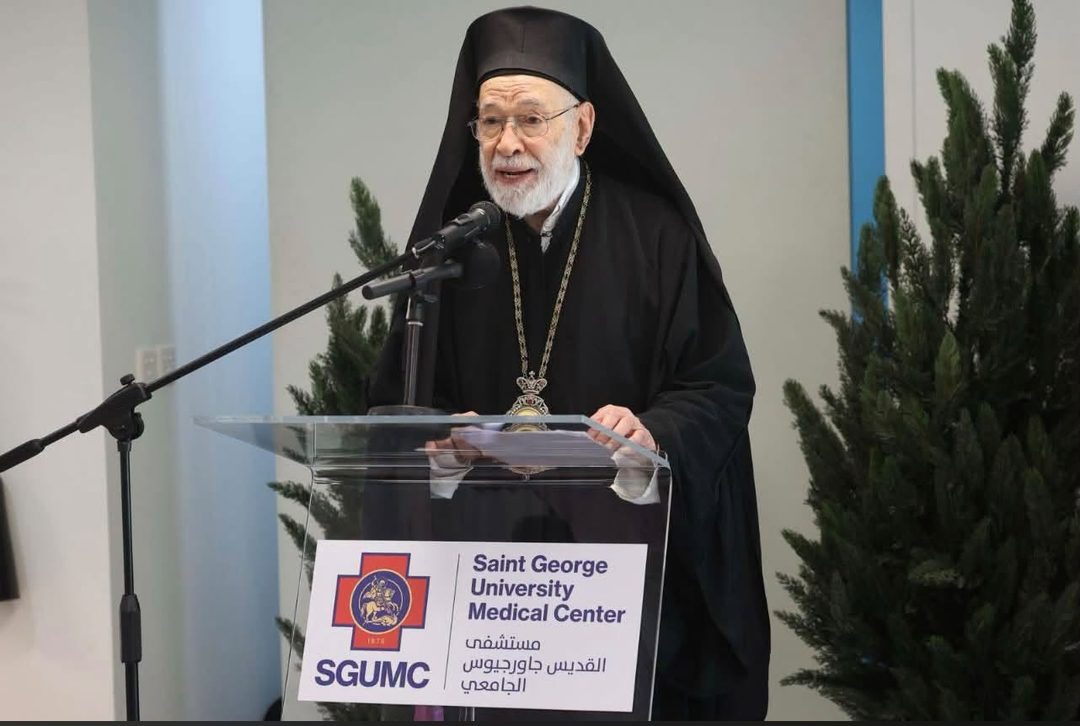
In his address His Eminence Metropolitan Elias Audi of Beirut, expressed his gratitude to the Greek Government, and particularly to the Greek Ministry of Foreign Affairs, for this highly significant initiative, describing it as a supreme expression of human solidarity.
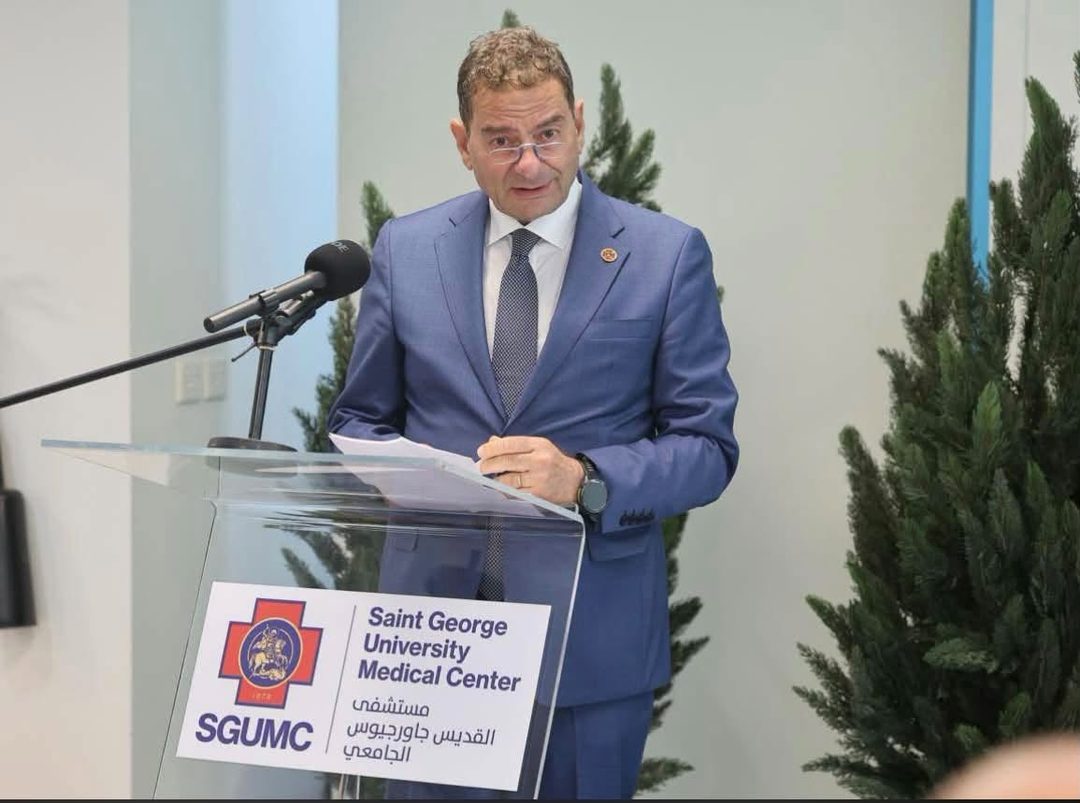
Similarly, the CEO of Saint George University Medical Center (SGUMC), Dr Ziad Haydar, expressed his deep gratitude for Greece’s continued solidarity with Lebanon and the SGUMC during particularly challenging circumstances, as well as for the excellent cooperation. He emphasized that these interventions contribute to strengthening the hospital’s operational and functional capacity as a center for emergency medical care, particularly for vulnerable groups within society.
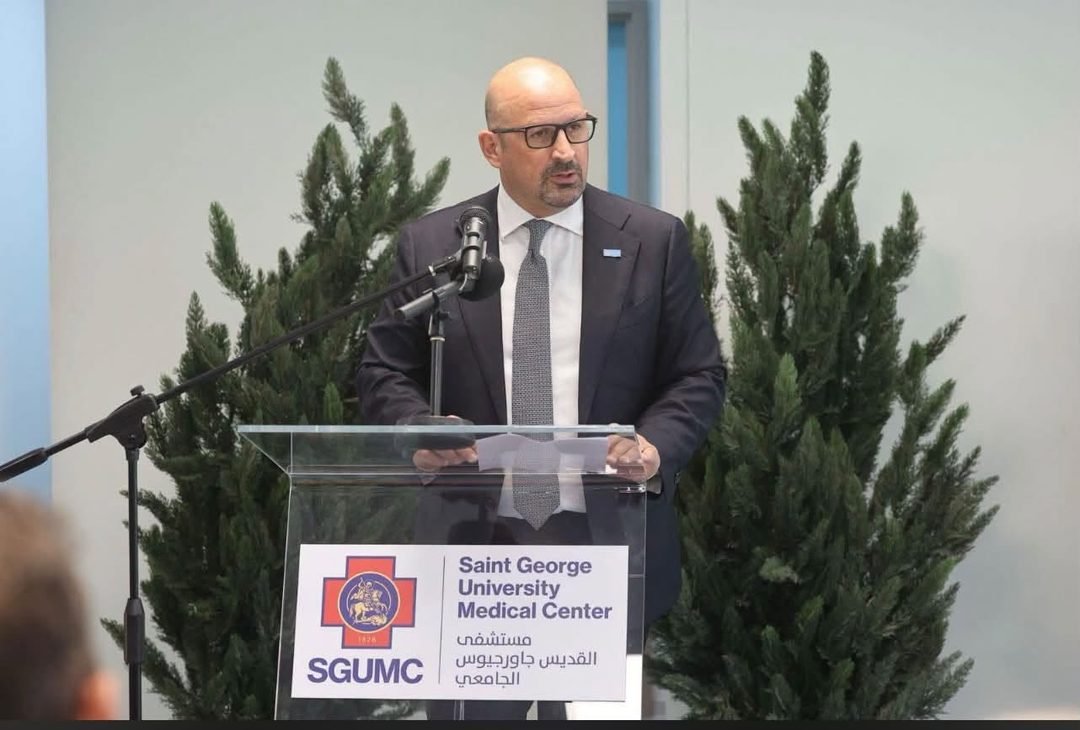
For his part, the WHO Representative in Lebanon, Dr Ahmed Zouiten, praised the significant contribution of the Greek Government at a particularly critical juncture for Lebanon’s highly vulnerable health system, as well as the excellent cooperation with the Embassy of Greece in Beirut and the Greek Ministry of Foreign Affairs.
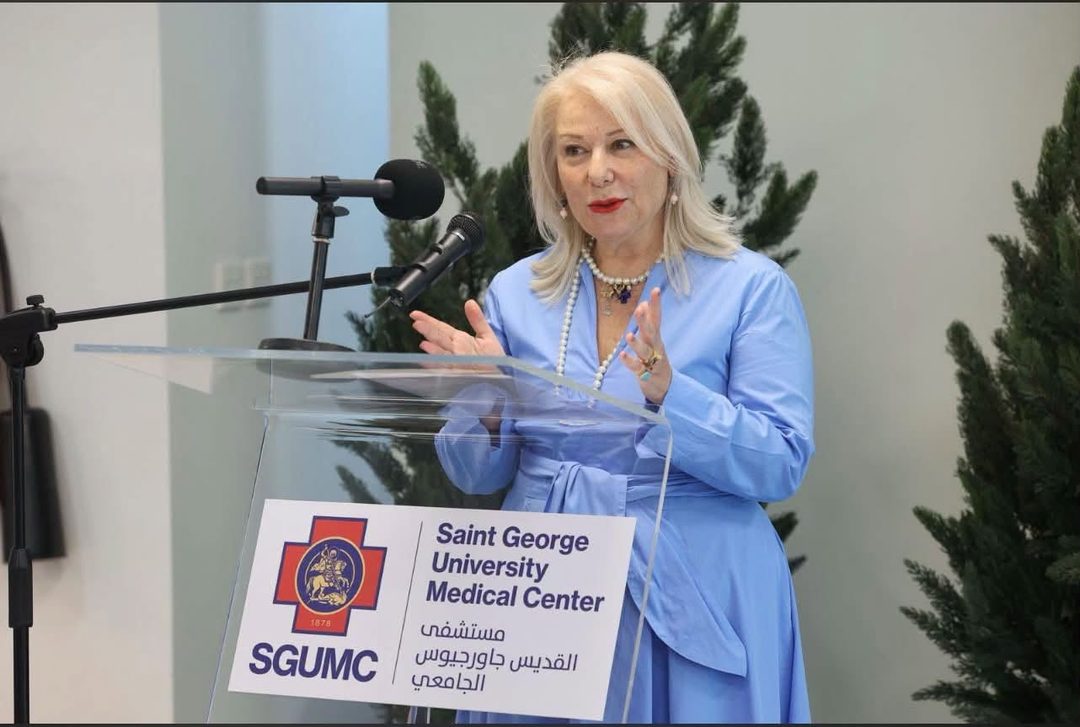
Subsequently, in her remarks, the Ambassador of Greece to Beirut, Ms Despina Koukoulopoulou, referred to the long-standing relationship and cooperation, spanning several decades, with this emblematic and historic Lebanese hospital, which Greece had equipped with a helipad as early as twenty years ago. She also highlighted the assistance provided by Greece following the devastating explosion at the Port of Beirut in August 2020, in the form of medical supplies and financial support. The Ambassador stressed that today’s donation of €500,000 to Saint George University Medical Center (SGUMC), provided through Hellenic Aid of the Ministry of Foreign Affairs, forms part of Greece’s broader and long-standing commitment to Lebanon.
More specifically, cooperation with the WHO at SGUMC will implement a vital, tailor-made programme, “Life-Saving and Limb-Saving Hospitalization,” aimed at supporting essential hospital services and life-saving interventions, as well as upgrading the hospital’s medical equipment. By providing targeted and tangible assistance, Greece is helping to improve access for patients from the most vulnerable population groups to life-saving health services and, consequently, to strengthen Lebanon’s health sector.
It is worth noting that Greece’s contribution to the World Health Organization for Lebanon is of particular significance. According to the Head of the WHO Office in Lebanon, Dr Ahmed Zouiten, the amount of Greece’s voluntary contribution represents the largest voluntary funding contribution ever received by a WHO country office in its host country to date.
According to updated data from the WHO Office in Lebanon for 2026, following the payment of its contribution to the WHO Lebanon Office for Saint George University Medical Center and its commitment to supporting the launch of the Balamand Hospital in North Lebanon, Greece ranks first among the WHO’s donor countries in Lebanon and is the second-largest international donor overall, after the EU’s DG ECHO. The significance of Greece’s contribution is even greater when measured in relation to the GDP of international donors, in which regard Greece ranks unequivocally first. The above initiatives, undertaken in cooperation with the World Health Organization Office in Lebanon, form part of Greece’s broader engagement and contribution to Lebanon, with an emphasis on humanitarian solidarity and the development dimension, including the strengthening of institutions and public services and support for the country’s long-term resilience.
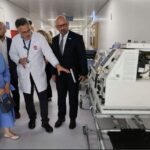
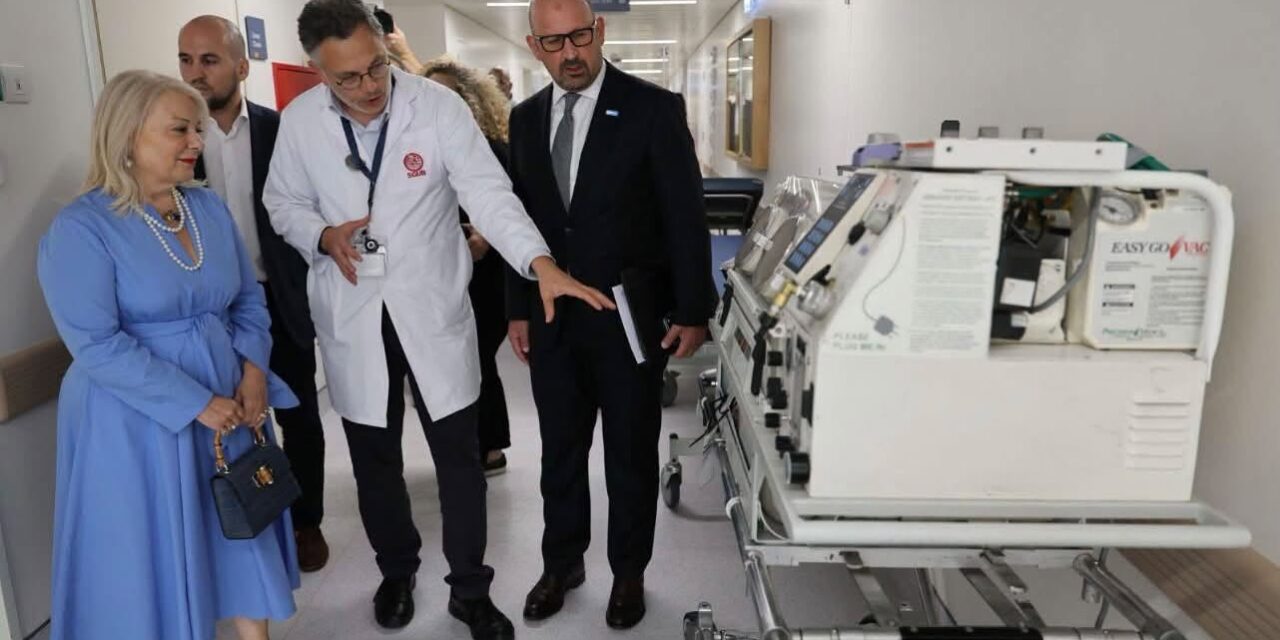
The event concluded with a visit to the Pediatric Intensive Care Unit and the Neonatal Intensive Care Unit (the only such unit in all of Lebanon). The programme’s coordinating director, representing the hospital, outlined the details of the selected interventions together with the heads of the respective departments.
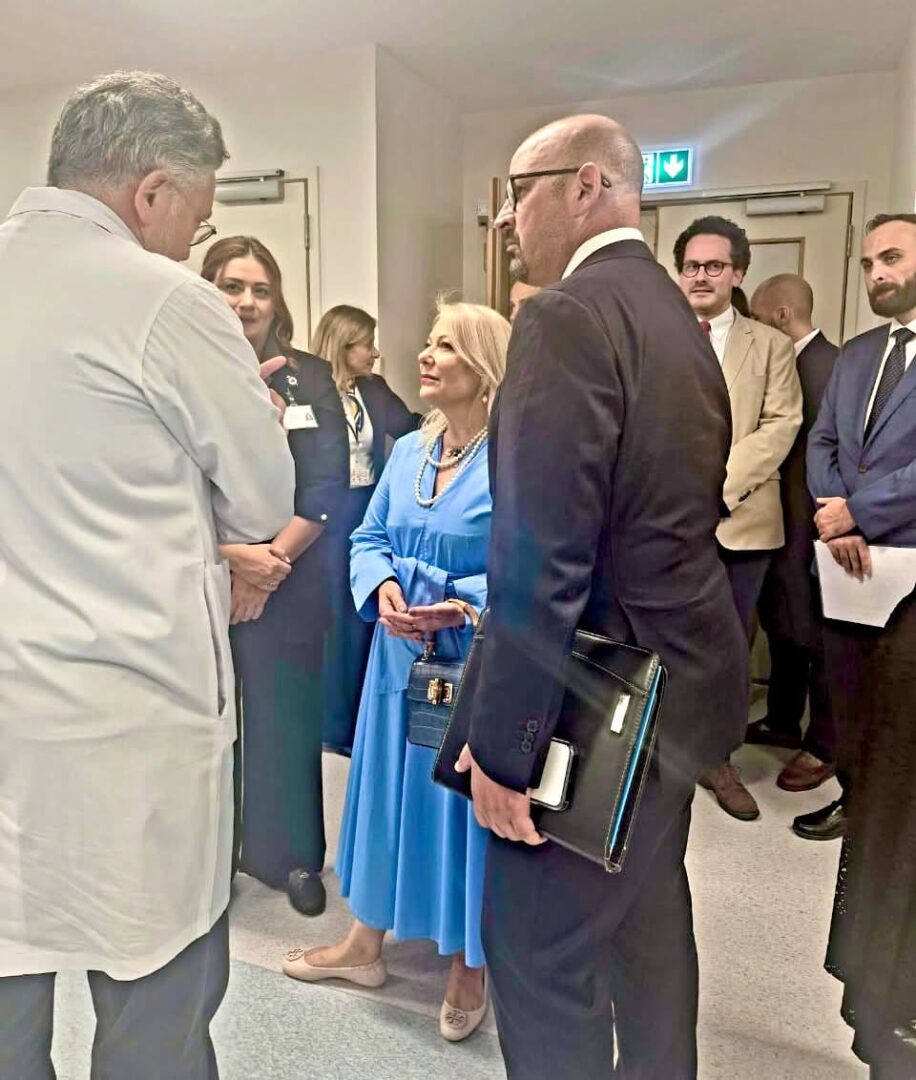
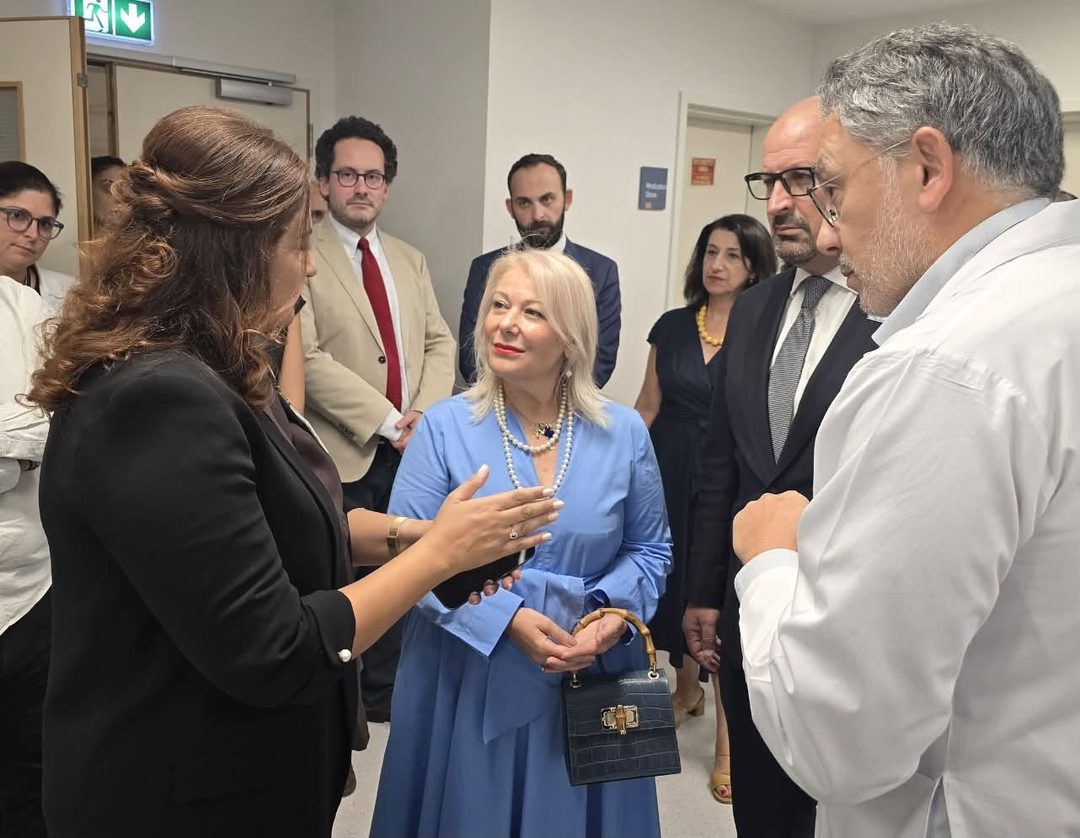
[Source: Embassy of Greece in Beirut
Photo credit: Embassy of Greece in Lebanon / Facebook – @Greece in Lebanon]
Hellenic Ministry of Foreign Affairs – “HELLENIC AID”
The General Directorate for Development and Humanitarian Aid, operating under the international title “HELLENIC AID,” serves as the national mechanism for development and humanitarian assistance and as the body responsible for planning and formulating development strategy. The General Directorate is responsible for promoting, managing and implementing the national policy on international development cooperation.