Exploring Sikinos Island: Cultural Trails and Natural Treasures Through Innovation
The digital application “Paths of Culture in Sikinos” and the project “Recording...
Read More
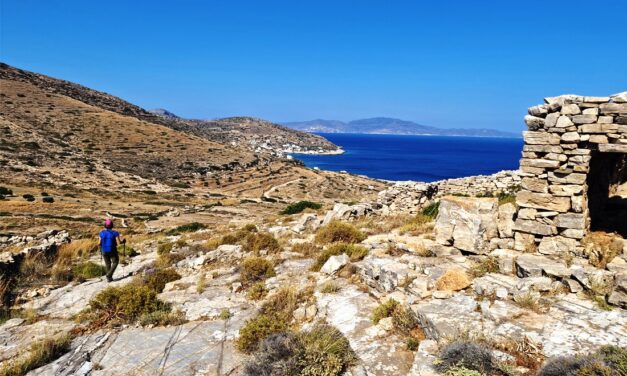
The digital application “Paths of Culture in Sikinos” and the project “Recording...
Read More
The Benaki Museum, in collaboration with the Cultural Association ‘Skiathos’, is...
Read More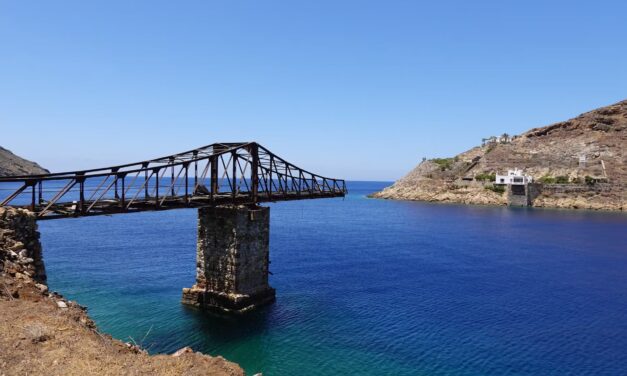
Serifos, a small island in the western Cyclades, has a long history tied to its iron and copper...
Read More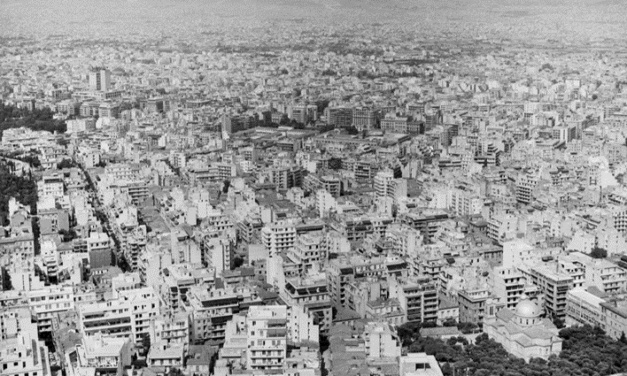
The modern city of Athens is often perceived as a concrete jungle filled with tall apartment...
Read More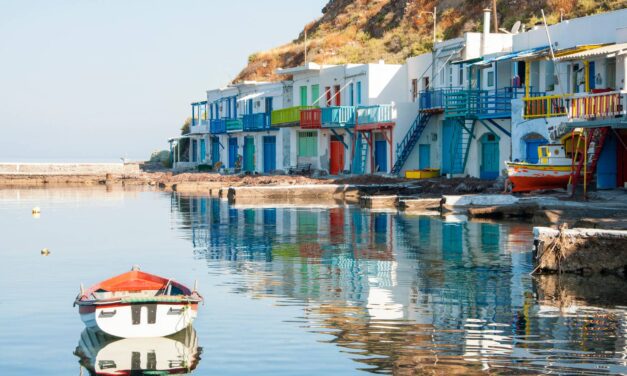
The “syrmata” (wires) buildings on the island of Milos are traditional small, single-room...
Read More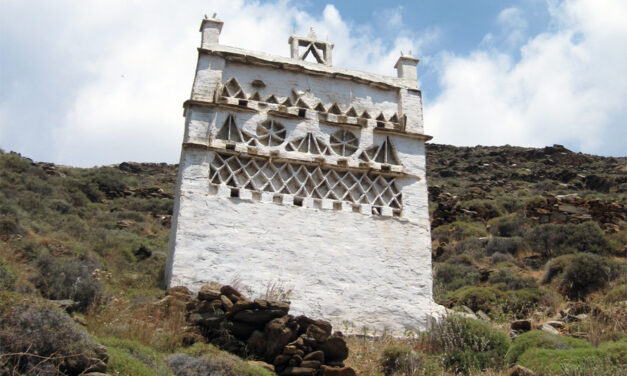
The island of Tinos is located in the Cyclades, close to Mykonos, and is mostly famous for the...
Read More
Iannis Xenakis at The Shiraz Festival, Persepolis, Iran, 1971. Photo by Malie Létrange Supporting...
Read More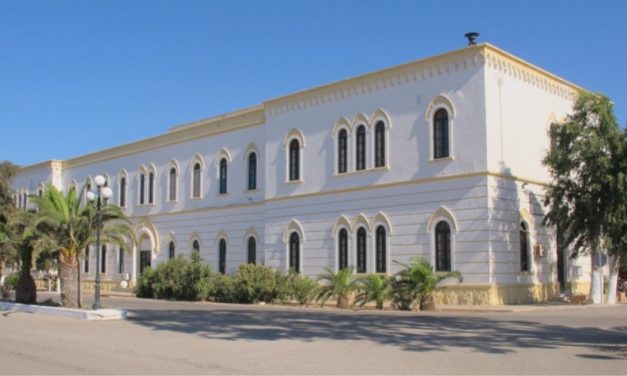
On the island of Leros in the Dodecanese archipelago of the Aegean Sea you can find a strange town that looks like an old movie set. This is the town of Lakki, or Porto Lago as it was originally called when it was built in the 1930s, during the Italian occupation of the Dodecanese. Some of its buildings have been declared monuments by the Ministry of Culture and Sports.
Read More