The International Training Center for the Safety of Journalists and Media Professionals (ICSJ) organized a two-day joint training program at the facilities of the School of Advanced Training and Professional Development (Continuing Education) of the Hellenic Police in Northern Greece in Veria, creating a shared training environment for media professionals and security personnel.
The initiative, supported by the OSCE and conducted under the scientific supervision of Aristotle University of Thessaloniki, brought together representatives of the security services and media professionals, focusing on the exchange of best practices and a practical approach to crisis management. Its objective was to develop common practices and strengthen cooperation in the field during the coverage of crises and high-risk incidents. The training concluded with participants gaining practical tools and collaborative strategies for covering high-risk events safely and effectively.
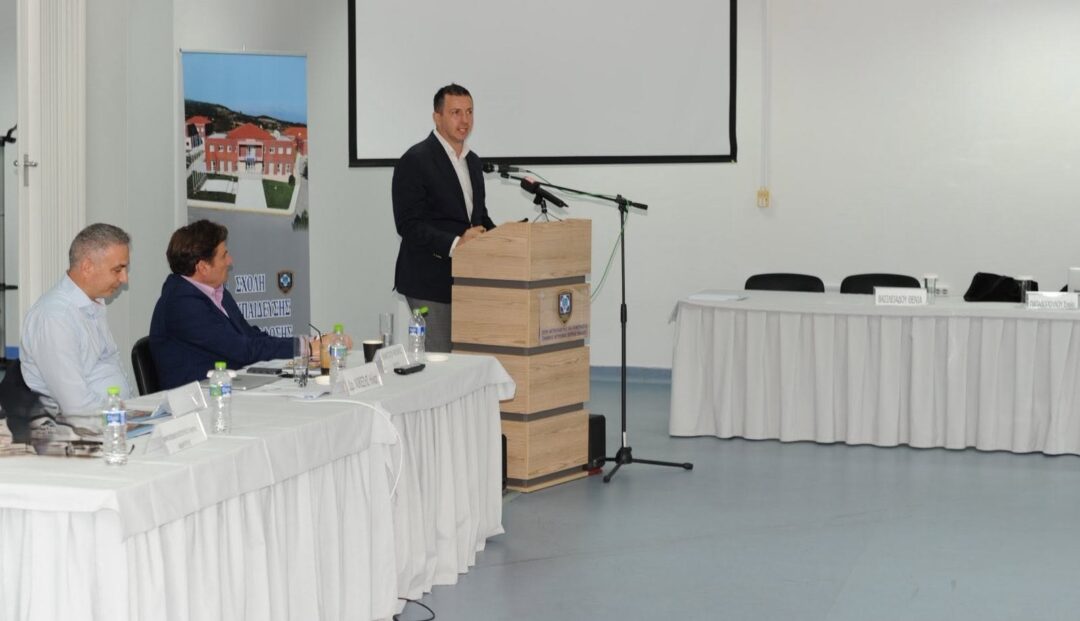
(Photo: https://www.facebook.com/dkirmikiroglou )
Secretary General for Communication and Information, Dimitris Kirmikiroglou, addressing the trainees, noted, among others, that the joint training of journalists and security personnel brings together two professional communities that are often required to operate under conditions of tension, such as demonstrations and social mobilizations. Through this process, both sides gain a better understanding of each other’s roles and needs.
He stressed that the ICSJ has successfully translated ideas and proposals into practical initiatives with tangible results, while highlighting the role of training and systematic cooperation in fostering a culture of mutual respect and a deeper understanding of each other’s roles. The Secretary General further emphasized that the State consistently supports initiatives that strengthen the safety of journalists and promote institutional dialogue among all stakeholders, noting that safeguarding freedom of information is a fundamental prerequisite for the proper functioning of democracy.
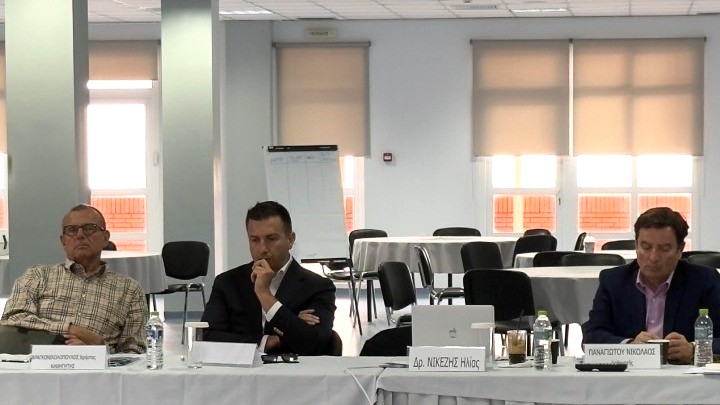
Professor Nikos Panayiotou of the School of Journalism and Mass Communications, Director of the Peace Journalism Laboratory and Head of the ICSJ, stressed that this training forms part of a series of initiatives implemented since the establishment of the ICSJ. As he explained, these initiatives not only enhance the country’s international profile but, more importantly, bring to the forefront of public discussion the issues facing journalists, particularly those related to their safety while carrying out their professional duties and fulfilling their vital role.
He noted that the initiative, implemented with the support of the OSCE, seeks to address a range of critical issues arising in the practice of journalism during crisis situations, with particular emphasis on relations and interactions with security forces. According to Professor Panayiotou, this issue has proven to be of major importance, as significant challenges have emerged over time that require meaningful responses and practical solutions. “Our goal is to provide solutions in the field, not theoretical approaches detached from reality,” he said, while also expressing his satisfaction with the work carried out by the ICSJ. “We address the real challenges journalists face in their work and strive to tackle them through practical interventions and initiatives,” he concluded.
Christos Frangonikolopoulos, Dean of the School of Economics and Political Sciences at Aristotle University of Thessaloniki, referred to the importance of the training implemented by the International Center for the Safety of Journalists. As he noted, at a time when freedom of expression—and journalists’ freedom in particular—faces significant challenges, initiatives that promote understanding and cooperation among all stakeholders are essential. The attacks and pressures faced by journalists, whether through social media or while covering events in conflict zones and other critical situations, make such initiatives all the more necessary, he emphasized.
He described the seminar as particularly important, as it helps inform the security services—and especially the Hellenic Police—about the framework within which journalists operate, their rights and responsibilities, and the unique conditions they face in carrying out their profession. At the same time, he stressed that free and independent journalism is a fundamental prerequisite for pluralism and diversity of voices in a democratic society. He added that state support and the cultivation of relationships based on mutual understanding between journalists and public institutions contribute to strengthening the journalistic profession.
The training concluded with the presentation of certificates of participation to all attendees by the Commandant of the School, Sofia Gaitanidou, and the Training Coordinator, Dr. Ilias Nikezis, Executive Director of the International Center.
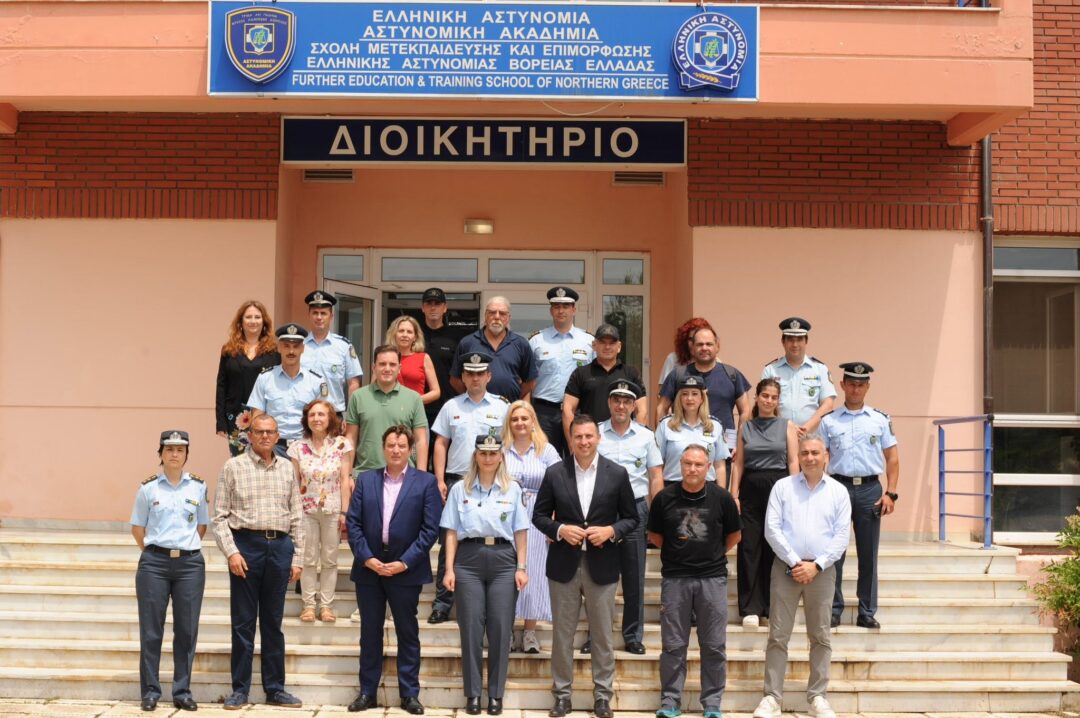
(Source: “Veria: The International Center for the Safety of Journalists and Media Professionals Focuses on Crisis Coverage and Field Incident Management”, https://www.amna.gr/ )
The International Training Center for the Safety of Journalists and Media Professionals (ICSJ)has an educational and research focus. Regarding the educational focus, ICSJ utilizes the material and tools of the academic community and provides specialized training to journalists and media professionals. Regarding the research focus, the Center implements extended research on topics related to the safety of journalists and media professionals, both in war zones and in crisis, as well as threats against them, connected with everyday work, such as physical, legal, economic, freedom of expression and cyber security issues. In parallel, ICSJ aims to develop support tools, as well as a supportive network for journalists and media professionals that operate in war zones and crises. ICSJ acts under the scientific responsibility of the Peace Journalism Laboratory, Department of Journalism and Media, of the Aristotle University of Thessaloniki.
Read also:
Greece announced a three-year roadmap for the National Action Plan for the Safety of Journalists
Greece Strengthens Global Efforts to Protect Journalists and End Impunity
TAGS: JOURNALISM | MEDIA | SAFETY OF JOURNALISTS