
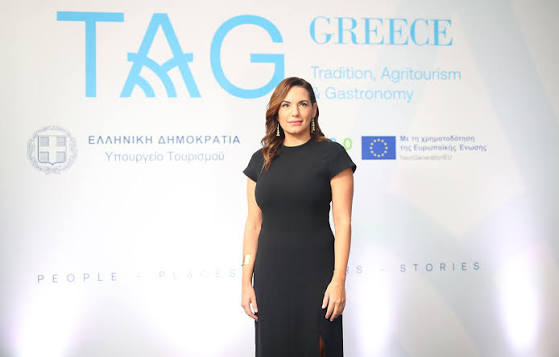
TAG GREECE – Tradition, Agritourism and Gastronomy is a new initiative by the Ministry of Tourism connecting tourism, local products, gastronomy and cultural heritage to showcase the authentic identity of Greek destinations.
The Ministry of Tourism’s new initiative was officially presented by Minister of Tourism Olga Kefalogianni at a special event in Athens. TAG GREECE forms part of Greece’s broader strategy to promote sustainable, high-quality and balanced tourism development, enriching the country’s tourism offering with authentic experiences and highlighting lesser-known aspects of its destinations.
The initiative also seeks to distribute tourism activity more evenly across the country and extend the tourism season, encouraging visitors to discover Greece throughout the year.
“With TAG GREECE, we are bringing Greek production, gastronomy and hospitality together under a common promotional framework. Our goal is to showcase to international audiences a side of Greece that offers distinctive experiences and new reasons to visit in every season,” Ms Kefalogianni said.
Referring to the country’s tourism performance, the Minister noted that Greece recorded three consecutive annual records in tourism receipts and international arrivals between 2023 and 2025. The positive momentum has continued into 2026, with further increases in revenue and arrivals, as well as particularly encouraging signs during the winter months and off-peak periods.
Against this backdrop, agritourism, culinary tourism and wine tourism are becoming increasingly important. These specialised forms of tourism respond to travellers’ growing desire to connect more deeply with the destinations they visit, exploring their natural environment, cultural heritage, local communities and everyday way of life.
Connecting Greek Gastronomy with Agricultural Heritage
Greek gastronomy and agricultural production are integral to the country’s cultural identity, the Minister emphasized. The diversity of local products, the growing international recognition of Greek wines and the efforts of winemakers to promote indigenous grape varieties represent important competitive advantages for Greece.
Equally significant is the contribution of Greek chefs, who draw inspiration from local ingredients and culinary traditions, reinterpreting them through contemporary techniques and creative approaches. Their work is helping to strengthen the international profile of Greek cuisine while preserving its distinctive character.
Strengthening the Framework for Agritourism and Visitor Experiences
Highlighting the progress made in developing specialized tourism sectors, Ms Kefalogianni recalled that agritourism and wine tourism were formally recognized in legislation in 2014, alongside the introduction of the Special Agritourism Seal and the Winery Visitor Seal.
The certification framework was subsequently extended to include visitor-friendly breweries, cheese-making facilities, olive mills and distilleries. In 2023, the National Wine Tourism Council was established, while opportunities for accommodation and dining at wineries were also expanded.
The Minister also referred to cooperation with the United Nations World Tourism Organization and UNESCO, as well as her recent meetings in Paris focusing on the promotion of intangible cultural heritage through tourism.
Thessaloniki and Santorini to Join the MICHELIN Guide in 2027
A further milestone for the international promotion of Greek gastronomy is the ongoing partnership between the Greek National Tourism Organization (GNTO) and the MICHELIN Guide, now entering its third year.
As announced by Ms Kefalogianni, the 2027 edition of the Guide will feature restaurants in Thessaloniki and Santorini for the first time, expanding its coverage beyond Athens, which marks 20 years of inclusion.
Gwendal Poullennec, International Director of the MICHELIN Guide, described Greek culinary culture as vibrant and diverse, noting that every destination has its own distinctive gastronomic identity, shaped by its cultural heritage, local ingredients and the creativity of its chefs.
The expansion is expected to raise the international profile of both destinations, attract visitors with higher spending potential, support the extension of the tourism season and further strengthen the city-break market.
A Unified National Brand and an Integrated International Promotion Strategy
TAG GREECE includes coordinated activities to establish a unified national identity and promote the initiative both domestically and internationally. Producers, local products, quality-certified visitor facilities, gastronomy and hospitality businesses, as well as regional organisations, will be brought together under this common identity.
The emphasis will be on highlighting what makes each region unique through its flavors, traditions, products and people, tracing the journey from agricultural production and vineyards to the dining table and the Greek hospitality experience.
A dedicated website will support the initiative, featuring an interactive digital map showcasing businesses, producers and gastronomic routes. The platform will also be connected to the newly redesigned visitgreece.gr website.
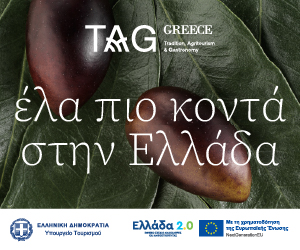
A central element of the communication strategy is the new campaign, “Come Closer to Greece”, which aims to promote the country through the authentic experiences that each destination has to offer.
Empowering Regional Communities and Local Businesses
Beyond promoting Greece as a destination for authentic culinary and cultural experiences, TAG GREECE aspires to make local production, gastronomic heritage and hospitality key pillars of a more diversified tourism model with international appeal.
The initiative also supports wider economic and social objectives, including strengthening local communities and the primary sector, supporting small businesses and creating new market opportunities for Greek products.
Particular emphasis is placed on generating new professional and business opportunities in regional areas, especially for young people and families, enabling them to build their futures and prosper in their home communities.
Through this approach, TAG GREECE aims to contribute to regional development, social cohesion and a more balanced distribution of tourism’s economic benefits.
Concluding her remarks, Ms Kefalogianni invited representatives of the tourism and production sectors to join forces in showcasing the wealth and diversity of Greece’s regions and creating new opportunities for local communities.
The initiative’s message is captured in the Ministry of Tourism’s new campaign slogan: “Come Closer to Greece.”
Sources: Ministry of Tourism, Greek Travel Pages,