Category: Reading Greece

Loading
Reading Greece
Reading Greece16 hours ago
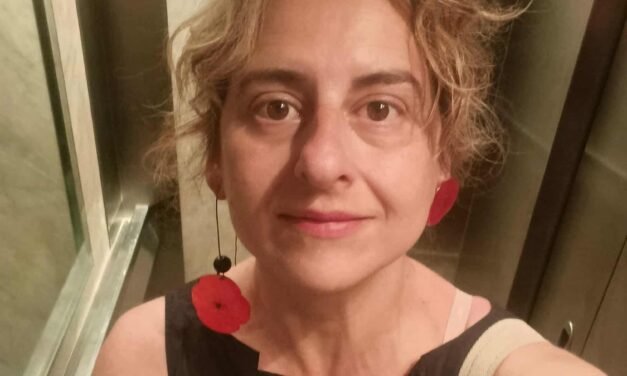
📚📚Can #literature act as a solace, as a refuge? On the occasion of the publication of her first writing venture "Atlas of Healing" (Τρι.ενα πολιτισμού, 2025), writer Valia Tsirigoti spoke to Reading Greece about a "literature of care" as an ethos of writing, and literary language as both a rupture and repair.

"I find it beautiful that, in our conversation, you place care and ethos within the same sentence. In Homeric times, the word ēthos meant dwelling, in a sense, a familiar place. For me, care is that familiar place. Familiarity itself is a co-creation. I do not believe in an ethos of writing as moral instruction, didacticism, or a prescribed ideological stance. What concerns me is a language that does not retraumatize or stigmatize its subjects. For me, that is also a political position. I am drawn to a language of liberation; one that is born through care".
Reading Greece
Reading Greece2 days ago
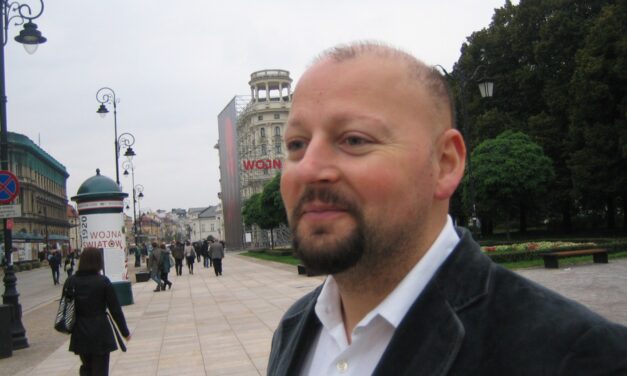
📚📚Οn the occasion of the publication of his first poetry collection "Karpathia" (Εκδόσεις Θίνες, 2025), Reading Greece spoke to Aggelos Bertos about the notion of "topos" in his work, and how it works as a symbolic or emotional space in his poetry.

"A place, especially one in the remote islands, constructs its own set of values, which mutate, evolve, and, in the end, co-shape the national narrative. Karpathia, then, is the mythologization of the island; a place where, through its own history, the margins haunt the center, and where the poetic subject, as an inhabitant of the frontier, has both the right and the voice to engage with the questions of the present".
Reading Greece
Reading Greece1 week ago
📚📚Can #literature, and especially crime fiction, be usesd to approach broader social issues? How does it converse with its surrounding reality?

On the occasion of the publication of his latest novel titled "Hidden Blood" (Εκδόσεις Μεταίχμιο - Ekdoseis Metaixmio, 2025), writer Tasos Papanastasiou attempted to answers these questions in an interview with Reading Greece.

"I see myself as part of the tradition of crime fiction that doesn’t seek to impress, but to reveal. In my view, there’s a fine line between stories that present crimes solved by a superhero detective, and stories in which the crimes emerge from historical, political, or social conditions, with the detective as part of that same world, subject to the same forces. Crime fiction can highlight social and political issues, while also offering the reader an engaging experience. That’s what I try to do with my work".